How do we keep the constraints out of the driver’s way?
The platform limits what can change. My job was to understand those limits and find UX and UI proposals that still made sense to the driver.
Some details are confidential.
Here's what I can share about my role, with public Renault imagery.
How do we add new features without making drivers start again?
Drivers build habits around their car. New features should fit those habits. On OpenRLink, I worked within Google's automotive ecosystem to integrate vehicle features and propose UI themes for different platforms.
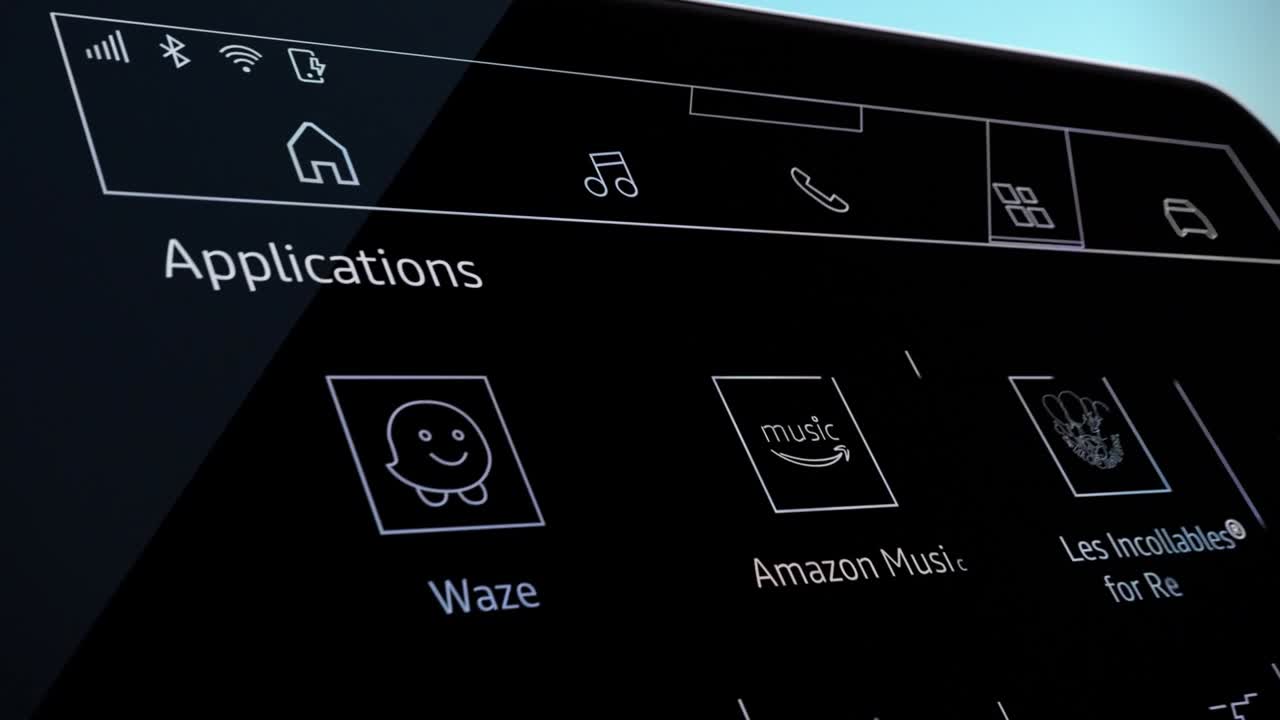
A feature is useful only if people can find it and understand it. I worked with the existing system and Google Automotive constraints to find that fit. I also explored different graphic and UI themes, while keeping the interactions familiar.
My broader automotive work connects UX architecture and research with platform evolution and production delivery. I work with design-system components, establish when new ones are needed, and coordinate implementation, assets and tokens. The aim is to keep the intended interaction intact through to production.
Drivers shouldn't need to understand the platform to use their car. I wanted new features to fit naturally into what they already knew.
The platform limits what can change. My job was to understand those limits and find UX and UI proposals that still made sense to the driver.
A feature needs more than its own screen. I considered where it belonged and how people would reach it, without adding a separate interaction logic.
I proposed graphic and UI themes for different platforms. The idea was to change the visual expression while keeping the experience familiar.
People bring habits to a product. I enjoy finding room for something new without losing what they already know. That's a big part of production design for me.